
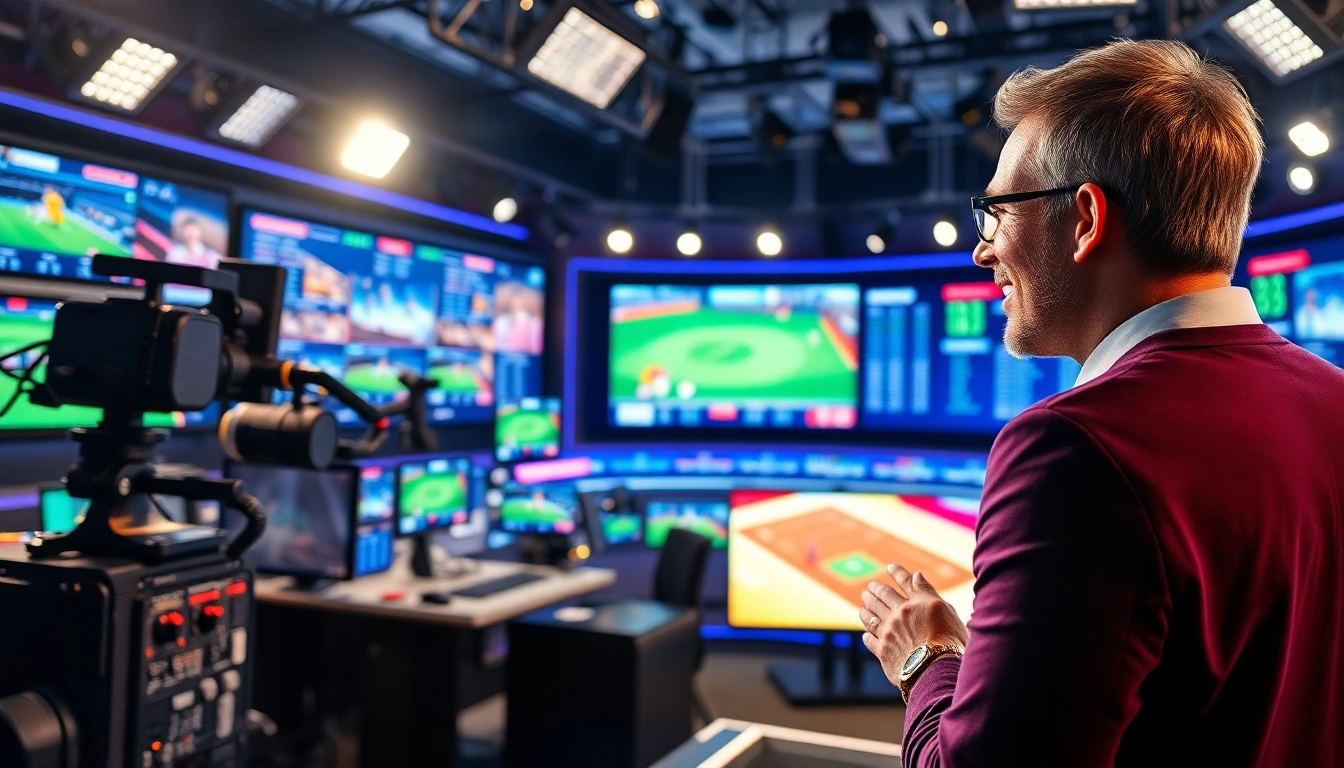
Introduction to Sports Broadcasting
Understanding Sports Broadcasting
Sports broadcasting encompasses the production and transmission of sports events to a wide audience via television, radio, and digital platforms. This field plays a pivotal role in the way sports are consumed today, engaging millions of fans globally. The allure of live sports broadcasts lies not only in the games themselves but in how the storytellers—broadcasters—bring the action to life. Broadcasting professionals provide insights, analysis, and commentary that enhance the viewer experience, all while navigating the ever-evolving landscape of technology and audience preferences. For a closer look at the dynamics of Sports Broadcasting, one can delve into how this medium connects sports to fans in real-time and shapes the narratives of sports culture.
Evolution of the Industry
The origins of sports broadcasting can be traced back to the early 20th century when radio first brought sporting events into homes. As technology advanced, television took center stage in the mid-1900s, revolutionizing how fans experienced sports. Iconic moments like the 1958 NFL Championship game, known as "The Greatest Game Ever Played," showcased the power of televised sports. With the advent of cable television in the 1980s, specialized sports networks emerged, catering directly to enthusiastic audiences. The rise of the internet and streaming services in the 21st century ushered in another significant change, allowing fans to access games and commentary on demand, changing the nature of viewership permanently.
Key Players in Sports Broadcasting
Several entities and individuals play integral roles in the sports broadcasting ecosystem. Major networks, such as those specializing in sports, have dominating market shares, but new players, including streaming services, are altering competitive dynamics. Furthermore, influential figures in broadcasting—commentators, analysts, and reporters—shape viewers' understanding and enjoyment of sports. Collaborations between leagues and broadcasters are also crucial; they negotiate broadcasting rights, ensuring that fans have access to the events they cherish. This intricate web of relationships contributes to the seamless delivery of high-quality sports coverage to the audience.
Essential Techniques for Effective Sports Broadcasting
Communication Skills for Broadcasters
At the heart of effective sports broadcasting is communication. Broadcasters must convey information clearly and engagingly, transforming raw data and live events into compelling narratives. This involves mastering vocal techniques, such as pacing and tonal variation, to maintain viewer interest. Moreover, developing a connection with the audience—acknowledging their passions and emotions—can create a more immersive experience. Practicing public speaking and receiving feedback can refine these skills significantly, enabling broadcasters to captivate and retain viewer attention during broadcasts.
Utilizing Technology in Sports Broadcasting
Modern sports broadcasting heavily relies on technology. The integration of advanced cameras, drones, and multi-angle viewing options provides a richer viewing experience. Augmented reality (AR) and virtual reality (VR) are increasingly becoming part of broadcasts, enhancing the storytelling aspect of games. Broadcasters need to be adept at operating various tools and software that aid in graphics production, statistical presentation, and real-time analytics. Continuous learning and adaptation to new technologies can give sports broadcasters an edge in delivering innovative and captivating content.
Engaging with Viewers
Engagement is crucial for keeping audience interest in sports broadcasting. This includes not only the quality of the broadcast itself but also interactive elements such as social media integration, fan polls, and live Q&A sessions. Broadcasters can enhance viewer experience through storytelling—sharing background stories of athletes and teams, which can humanize sports and connect fans more deeply. Furthermore, responding to viewer comments and queries increases relatability and fosters a community atmosphere surrounding broadcasts.
Challenges in Sports Broadcasting
Navigating Rights and Regulations
Broadcasting rights are a major aspect of the sports industry, often dictating how and when games are shown. Navigating this complex legal landscape requires thorough understanding and compliance with regulations covering broadcasting rights. Leagues often have exclusive agreements with certain networks, limiting availability on competing platforms. While lucrative, these arrangements can also create challenges for broadcasters wishing to deliver content on more accessible platforms. Keeping abreast of changes in legislation and viewer rights is essential for broadcasters to stay relevant in the market.
Adapting to Changing Technologies
The rapid progression of technology presents both opportunities and challenges for sports broadcasters. While embracing new tools can enhance broadcasts, it can also complicate existing workflows. Broadcasters must develop the agility to adapt rapidly to emerging technologies, such as AI for analytics and machine learning for customized content delivery. Regular training and innovation workshops for broadcasting teams can ensure that they remain at the forefront, allowing them to produce high-quality content that resonates with tech-savvy viewers.
Maintaining Quality Under Pressure
Sports broadcasting often takes place in high-pressure situations, where the stakes are high, and any mistake can impact ratings and viewer trust. Broadcasters must maintain composure and deliver accurate information swiftly, especially during live events. Preparing scripts, practicing under simulated conditions, and reviewing past broadcasts for continuous improvement are vital strategies. Establishing a supportive team environment can also ensure that broadcasters feel confident and ready to perform optimally, even under the most challenging circumstances.
Future Trends in Sports Broadcasting
The Role of Streaming Platforms
With the shift in viewer habits, streaming platforms have begun to play a more significant role in sports broadcasting. These platforms afford viewers flexibility in watching their favorite events without being tethered to traditional broadcast schedules. The allure of on-demand access resonates particularly well with younger demographics. Future developments might involve personalized experiences for viewers, where algorithms suggest content based on individual preferences, further transforming how fans interact with sports.
Integration of Augmented Reality
Augmented reality has the potential to revolutionize sports broadcasting by enhancing the viewer experience. Imagine fans being able to view player statistics overlayed during live games, all through AR technology. This integration not only makes broadcasts more informative but also provides a layer of interaction that can captivate audiences. As AR technology evolves, broadcasters will likely see an increased demand for such innovations, requiring adaptability and forward-thinking in program production.
Data Analytics in Audience Engagement
Data analytics is becoming a cornerstone of successful sports broadcasting strategies. By analyzing viewer behavior, broadcasters can tailor their content to better serve their audience preferences and habits. This might include modifying commentary styles, timing of advertisements, and even the types of content shared during breaks. Using data-driven strategies allows broadcasters to enhance loyalty and retention, making broadcasts more interactive and enjoyable for fans.
FAQs About Sports Broadcasting
What is Sports Broadcasting?
Sports broadcasting refers to the transmission of live sporting events via television, radio, or online platforms, aiming to engage and inform audiences worldwide.
How can I start my career in Sports Broadcasting?
Starting a career in sports broadcasting often involves gaining relevant experience through internships, pursuing a degree in communications, and developing strong networking skills within the industry.
What are the different types of Sports Broadcasts?
Sports broadcasts can include live games, pre-game and post-game shows, highlights, sports news, and analysis segments, each catering to different viewer preferences.
What skills are important for a Sports Broadcaster?
Key skills for a sports broadcaster include strong communication, analytical abilities, an understanding of sports, and proficiency with broadcasting technology and media platforms.
How is technology affecting Sports Broadcasting?
Technology enhances sports broadcasting through innovations like streaming services, AR, and improved analytics, enriching the viewer experience while changing traditional broadcasting paradigms.